Before cosmetic repairs: Ongoing leaks, movement, sagging, suspected mold and structural damage need specialist evaluation. Identify and resolve the cause before patching or painting. This guide does not make structural repairs or major trade work part of a handyman quote.
Whether it’s a scratch from moving furniture, a stain from a dropped glass, or just general wear and tear, maintaining flawless floors can be a challenge for homeowners.
Understanding Your Floor Type
The first step in maintaining flawless floors is understanding the specific type of flooring you have. Different materials such as hardwood, laminate, tile, or carpet each have their own needs and care requirements.
For instance, hardwood floors are sensitive to moisture and can scratch easily, while tiles may be more forgiving but still require attention to the grout. Knowing these specifics helps guide the appropriate cleaning and repair methods, ensuring longevity and beauty.
Routine Cleaning for Spotless Floors
Regular cleaning not only keeps your floors looking great but also prevents long-term damage. For hardwood, a microfiber mop can work wonders, while tile floors often benefit from a gentle scrub with mild soap.
Consider using a vacuum with a soft brush attachment for carpeted areas. By integrating these into your cleaning routine, you protect your investment, maintaining a pristine appearance.
Quick Fixes for Common Issues
Scratches and scuffs are almost inevitable, but they don’t have to be permanent blemishes. Minor scuffs on hardwood can often be remedied with a simple walnut application; just rub it over the mark and buff it out.
If you’re dealing with tile chips or minor cracks, a bit of putty or a matching tile filler can disguise these issues effectively. Quick attention to these small repairs can prevent further deterioration.
The Importance of Floor Sealing
A good sealant acts as a defensive shield for your floors. It not only enhances the aesthetic but also protects against liquids, spills, and stains.
Particularly for porous surfaces like tile and certain types of stone, sealing is a crucial step. Make it a part of your regular floor maintenance schedule, and you’ll find the overall durability greatly improved.
Dealing With Water Damage
Water can be one of the most damaging elements for floors. To minimize damage, address any spills immediately and ensure your floors are completely dried.
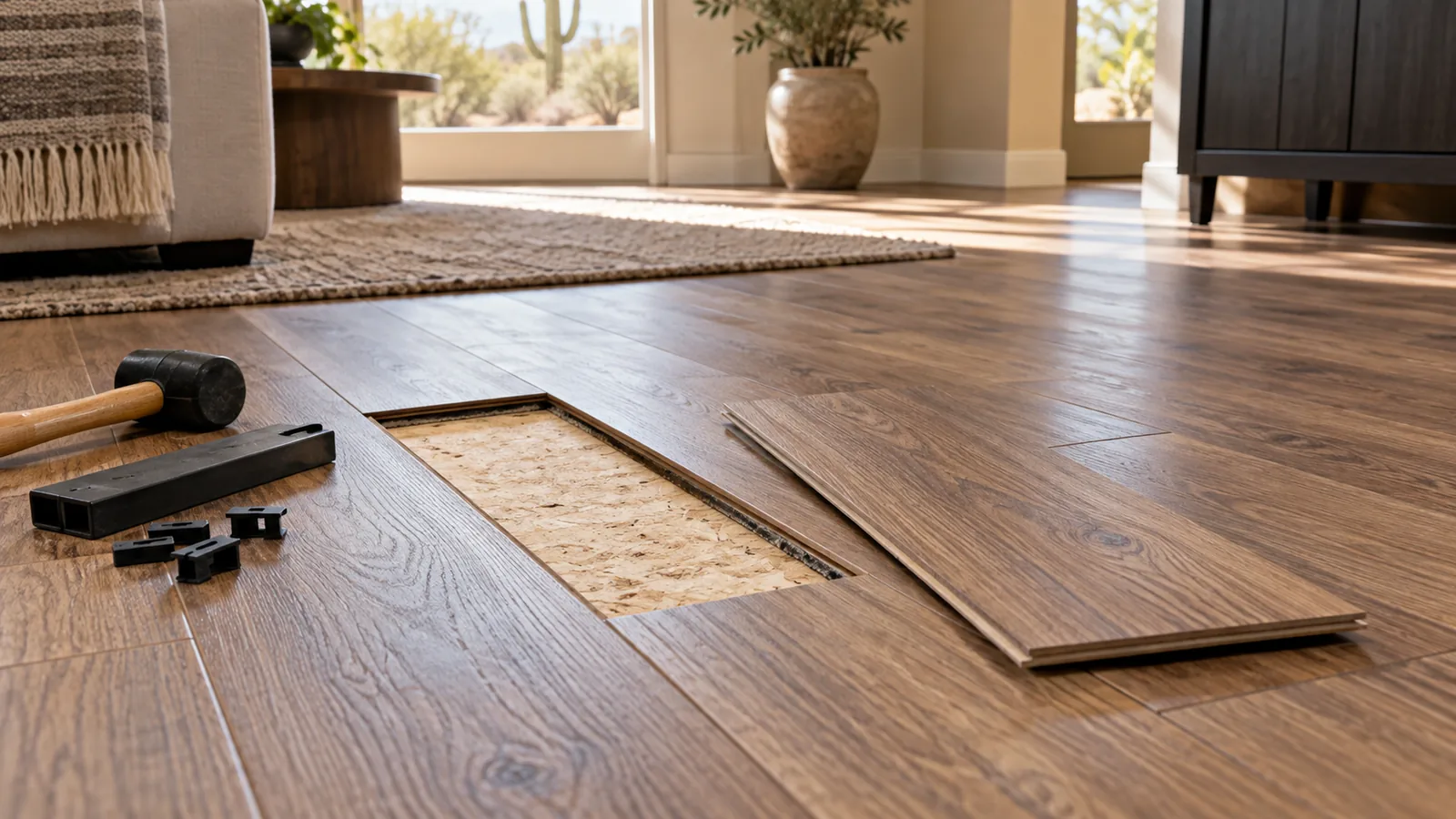
If water damage is extensive, repairs may involve replacing sections of the flooring. It’s often best to consult with professionals to ensure repairs are done correctly and prevent future issues.
Preventive Measures to Protect Your Investment
Preventive measures go a long way in maintaining flawless floors. Mats at entryways, for instance, significantly reduce dirt and debris tracked inside.
Consider also implementing a no-shoe policy in the house. Not only does this keep floors cleaner, but it also reduces scratches from hard-soled footwear.
Seasonal Care and Maintenance
Each season presents unique challenges to floor maintenance. Humidity in the summer or dryness in the winter can affect different types of flooring.
Adjusting your care routine to account for seasonal changes, such as using a humidifier or dehumidifier, ensures your floors stay in top condition year-round.
Choosing the Right Cleaning Products
Selecting appropriate cleaning products is essential. Many commercial cleaners contain harsh chemicals that can damage certain types of flooring.
Hiring Professional Help When Needed
There are times when professional intervention is the best course of action, especially for complex repairs.
Essential Tips for Maintaining Your Floors
- Avoid Dragging Furniture: Use protective pads under furniture legs and avoid dragging pieces across the floor to prevent scratches and dents.
- Regular Inspections: Conduct routine inspections for any early signs of damage. Early detection helps address issues before they escalate.
- Temperature Control: Maintain a steady indoor temperature to prevent your floors from cracking or warping due to extreme conditions.
- Sun Exposure: Use blinds or curtains to protect floors from direct sunlight that can cause fading and discoloration over time.
- Area Rugs: Place area rugs in high-traffic zones to protect your flooring from excessive wear and tear.
Conclusion
Keeping your floors flawless can seem daunting, but with the right knowledge and practices, it’s entirely achievable.
Discuss a suitable repair
East Valley Handyman handles practical repair, mounting, assembly, patching and finish projects in Chandler and the East Valley. Send the project details so the scope can be reviewed before scheduling. Major trade work, structural repairs and permit-dependent projects need the appropriate licensed specialist.
Need a hand with a project?
Tell us what needs attention, where the work is and what you have in mind. We serve Chandler and the surrounding East Valley.
Request a free quote →